
Spray Foam & Blown-IN Insulation Services IN Central Illinois
Spray FOam & Insulation Services
Closed-Cell Spray Foam
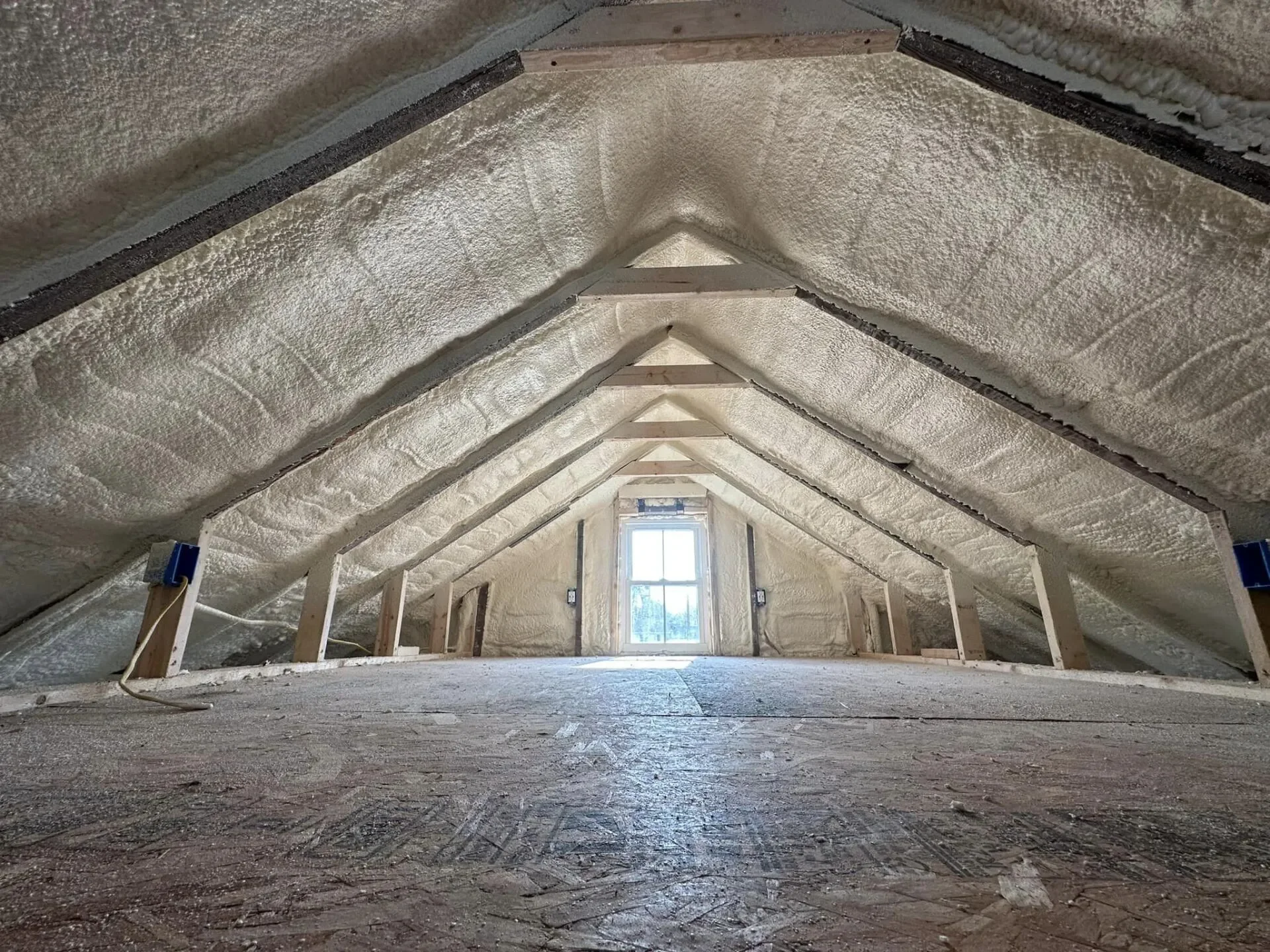
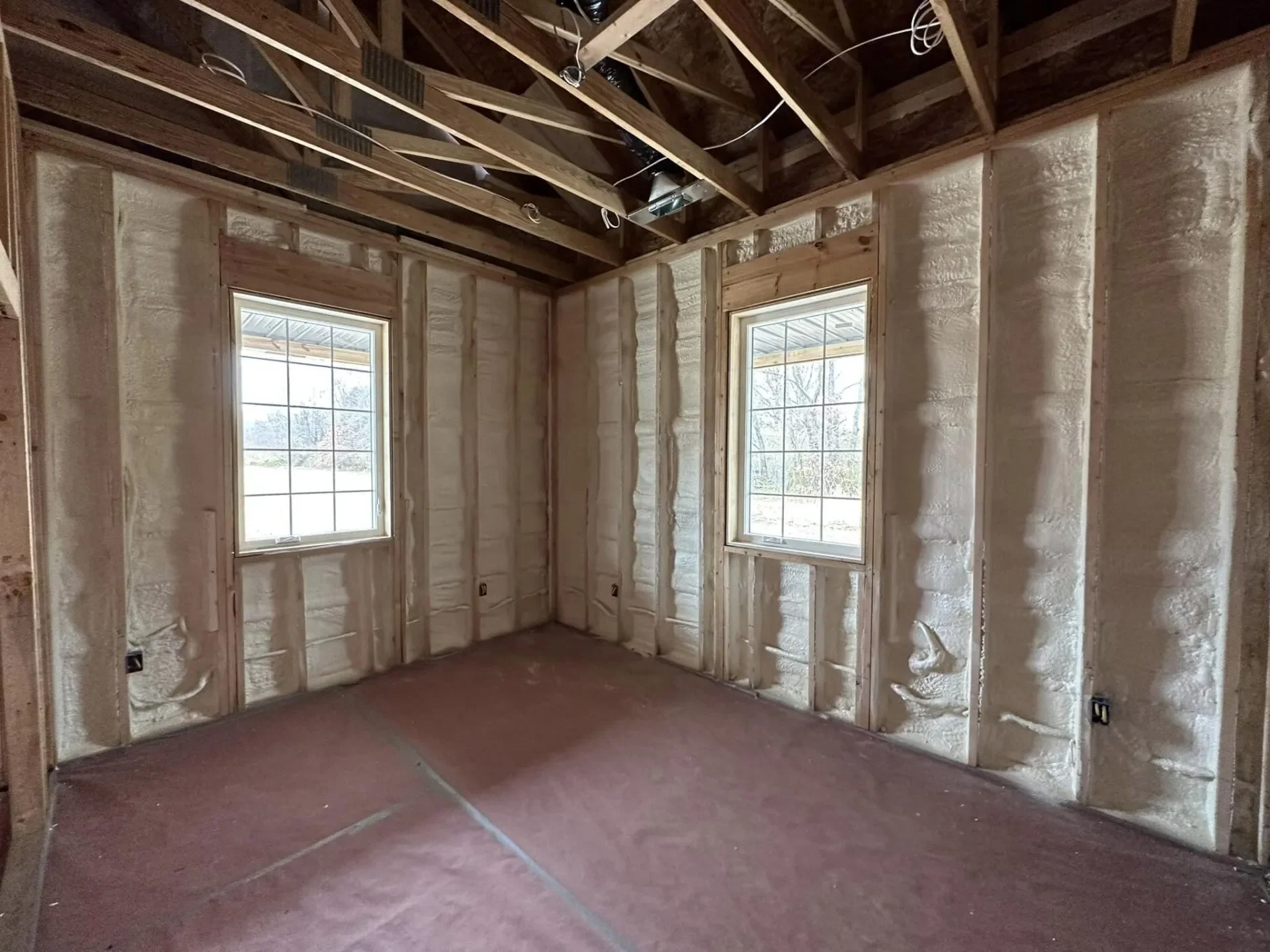
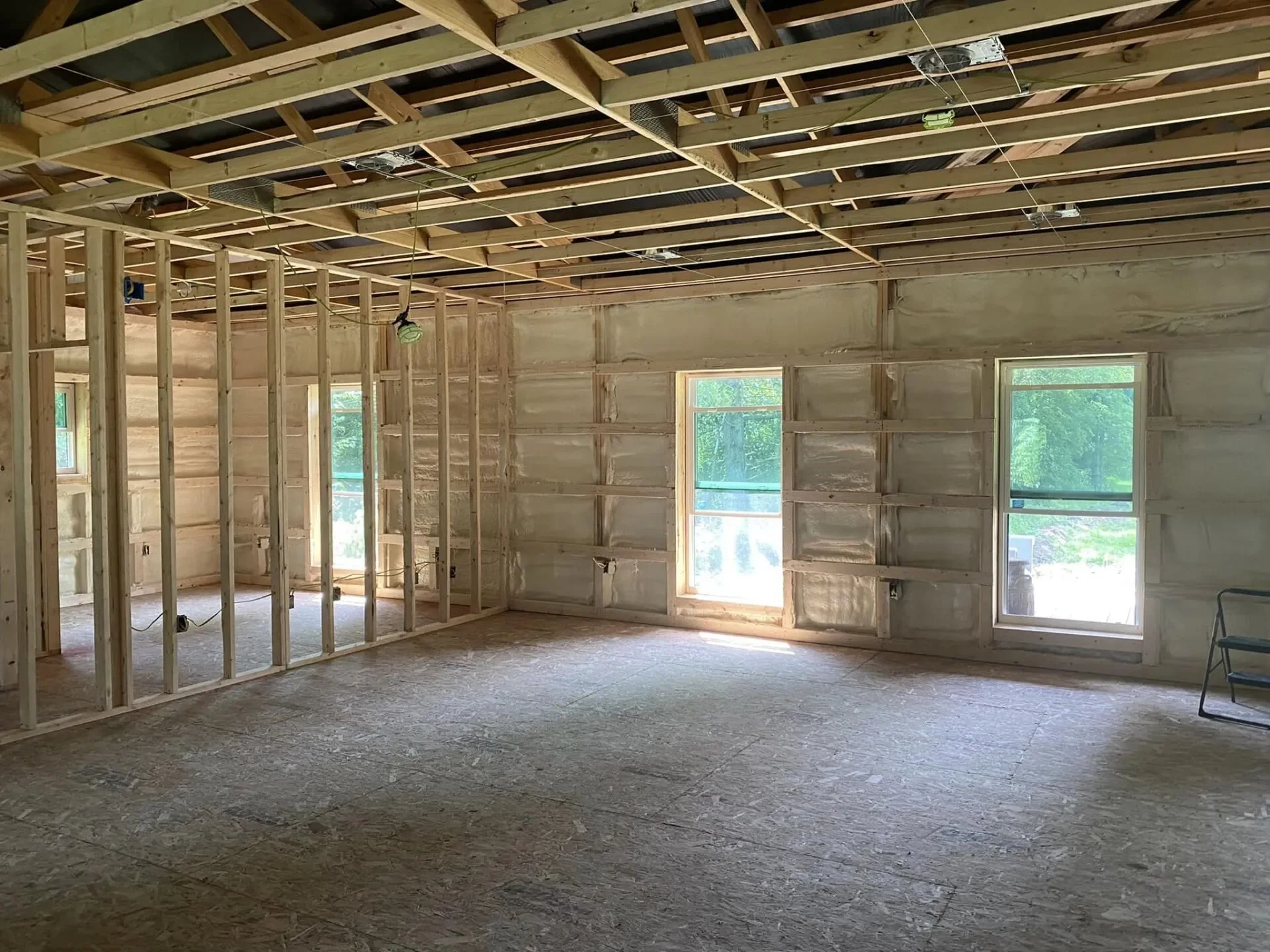
Closed-cell spray foam is a premium, high-density, polyurethane insulation that delivers unmatched thermal performance by completely sealing a building’s envelope. It expands to fill every gap and hardens into a rigid, seamless shell, acting as both a powerful insulator and a heavy-duty moisture barrier.
Key Benefits:
Highest R-Value: Maximum energy efficiency and climate control per inch.
Total Vapor Barrier: Locks out drafts, moisture, and mold.
Structural Strength: Hardens to reinforce walls and roof decks.
Permanent Solution: Will not sag, settle, or degrade over time.
Blown-In Insulation
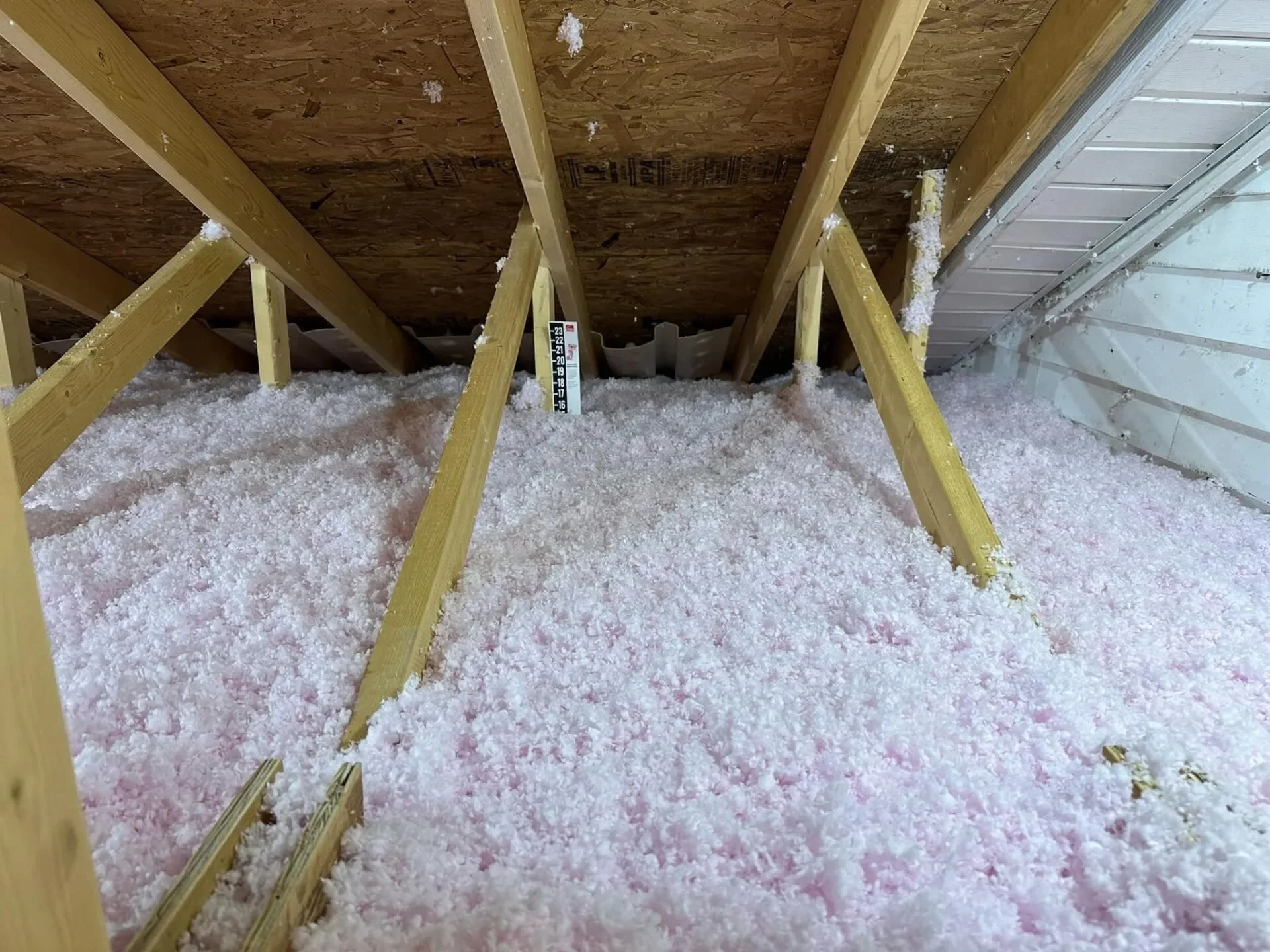
Blown-in insulation is a highly efficient, loose-fill material used to quickly blanket attics and enclosed walls. Installed using a specialized blower, it settles perfectly around pipes, wiring, and irregular framing to create a seamless thermal barrier and eliminate cold spots.
Cellulose vs. Fiberglass:
Cellulose: Made from densely packed, fire-retardant recycled paper. It provides a higher R-value per inch and superior sound dampening, making it an excellent eco-friendly choice for maximizing thermal resistance. However, it is heavier and can absorb moisture if a roof leak occurs.
Fiberglass: Made from lightweight spun glass fibers. It is inherently moisture-resistant (won't support mold) and resists settling over time. It is ideal for older homes where ceiling weight is a concern, though it requires a thicker layer to match the thermal performance of cellulose.
About
Cody Miller is the owner of Limited Land Management, Limited Concrete, and now Limited Spray Foam. He has been committed to serving homeowners and landowners throughout central Illinois since 2021 when he began Limited Land Management, a company focused on grading, excavation, drainage, and CRP management. Since that time he has expanded into concrete services and now spray foam insulation solutions.
Cody is born and raised in Douglas County, Illinois and is focused on ensuring clients feel listened to and see their projects completed to satisfaction. Limited Spray Foam is proud to be locally owned and operated.

Spray Foam & Blown-In Insulation Frequently Asked Questions
-
Traditional batt insulation allows conditioned air to leak through microscopic gaps, seams, and penetrations. Closed-cell spray foam expands on contact to create an airtight seal while insulating, eliminating drafts and reducing heating and cooling loads by up to 30% to 50%.
-
Residential: Attics, unvented rooflines, exterior wall cavities, crawl spaces, rim joists, basements, and bonus rooms over garages.
Commercial & Agricultural: Pole barns, metal buildings, warehouses, commercial flat roofs, shipping containers, and temperature-controlled storage facilities.
-
Spray foam does not sag, settle, compress, or degrade over time like fiberglass or cellulose. Once properly applied and cured, it lasts the lifetime of the structure without requiring top-offs or replacement.
-
Yes. By sealing all air gaps, spray foam cuts off the moisture migration and condensation that feed mold growth. Additionally, closed-cell foam creates an impermeable barrier against water leaks, and pests cannot easily chew through or nest within it.
-
Both are excellent, but the best choice depends on your specific attic. Cellulose provides a higher R-value per inch and superior soundproofing, making it highly effective for maximum heat retention. Fiberglass is lighter, naturally moisture-resistant, and ideal if you need to keep weight off older ceiling drywall.
-
Yes. Both blown-in cellulose and fiberglass can be safely layered directly on top of existing batt or loose-fill insulation, provided the old material is dry and mold-free. This is one of the most cost-effective ways to instantly upgrade your home’s R-value and energy efficiency without the labor costs of removal.
-
While both materials last for decades, they behave differently. Cellulose typically settles by about 10–20% during its first few years, which professional installers account for by deliberately overfilling the space. Fiberglass resists settling much better over time, though it requires a significantly thicker initial application to match the insulating power of cellulose.
-
Yes, we can remove the old fiberglass or cellulose blown-in insulation prior to replacing it with fresh, new insulation.
Request a Quote
Please submit the contact form with a brief description of your project and we will be in touch.
(217) 254-9469
cody@limitedsprayfoam.com